
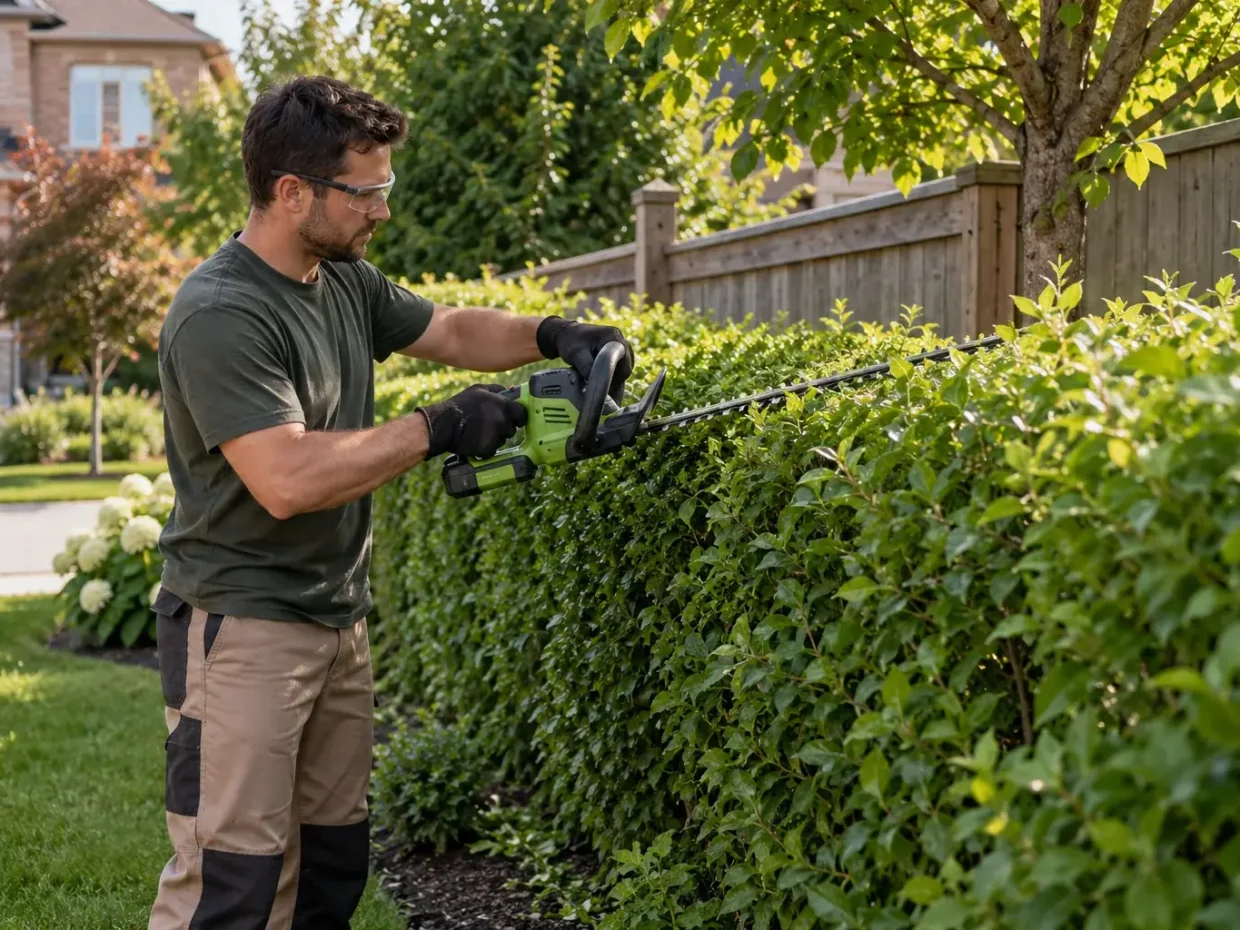
A garden develops through pruning, bed care and seasonal observation. Hedge growth changes sightlines and access, mulch breaks down, weeds arrive and individual plants respond differently to weather. Garden and hedge maintenance in Milton should be defined by the actual plants and the owner's desired appearance, whether the property has a formal front hedge, mixed backyard beds or a few specimen shrubs. The work is distinct from mowing and from a new landscape installation. A good recurring plan identifies pruning, trimming, weed management, bed edges, mulch and plant-health concerns rather than describing every visit as an undefined “tidy-up.”
Inventory plants and beds
Inventory trees, shrubs, hedges, perennials and bed areas. Note species when known, approximate maturity, growing space, sun exposure, irrigation, drainage and signs of decline. A hedge leaning over a side path may need staged correction; a new hedge needs establishment care rather than aggressive shaping. Identify weeds that recur from roots and beds where mulch is too thin or packed against stems. Check access around fences, steps, utilities and windows. A Milton front bed exposed to salt and piled snow faces different pressures from a sheltered rear garden. Existing tree roots can also limit cultivation in a bed. The maintenance plan should protect plants worth retaining and identify those that have outgrown the space.
Set a plant-specific routine
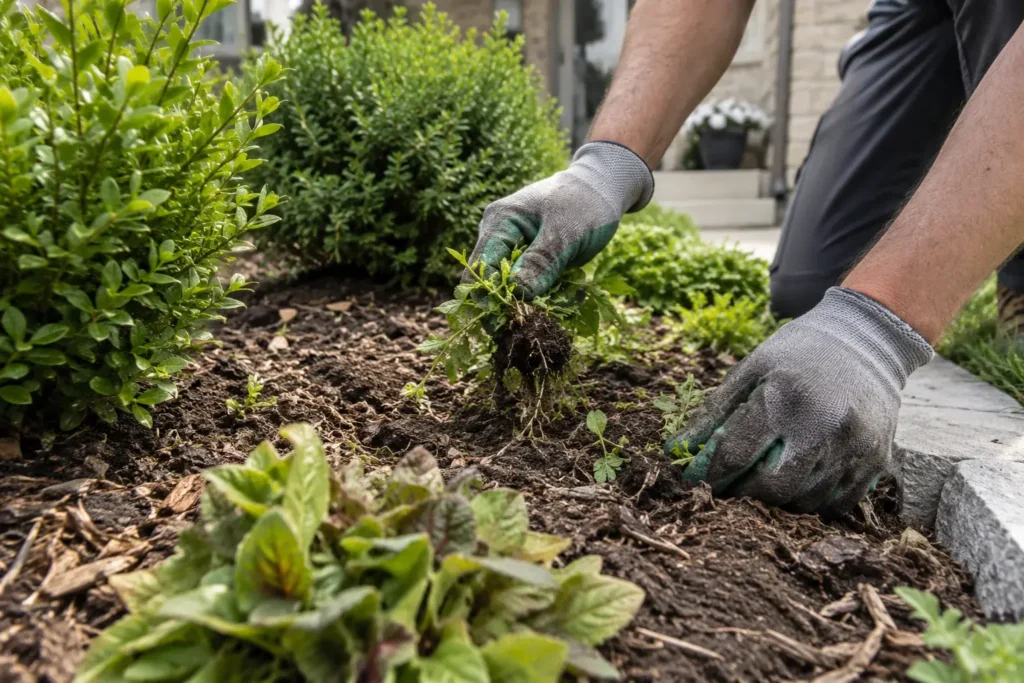
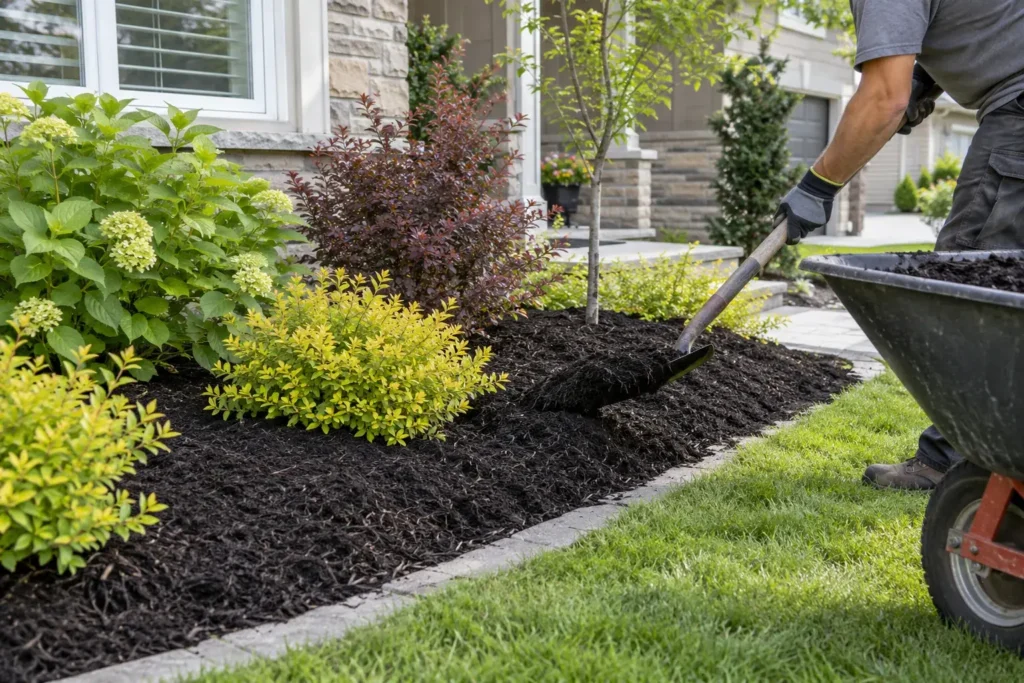
Choose a care approach for each planting type. Formal hedges may need controlled trimming to maintain width, sightlines and density; flowering shrubs can have different pruning windows and growth habits. Beds need weeds removed in a manner that avoids damaging desirable roots, along with attention to edges and ground cover. Mulch can be renewed when appropriate, while excessive buildup around crowns or trunks should be avoided. Seasonal cleanup may include spent growth, leaves and debris, but not every perennial should be treated identically. New planting should be observed for watering and transplant stress. A clear scope separates ordinary maintenance from plant replacement, soil renovation or construction work.
Prune for health and access
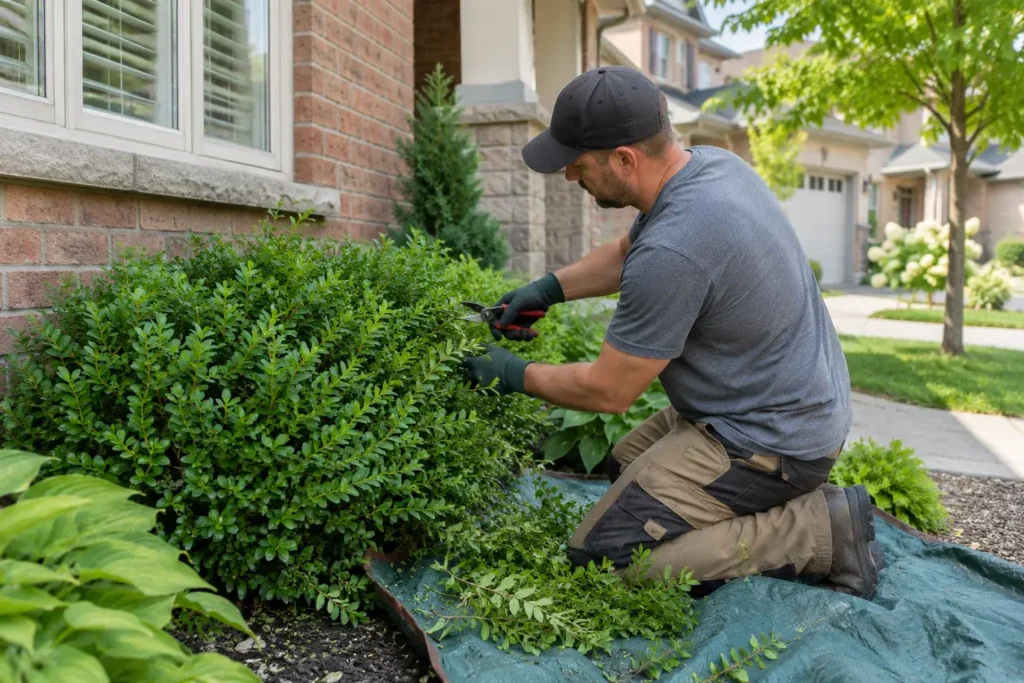
Pruning decisions should consider plant health and intended form. Shearing every shrub into the same small shape can destroy its natural structure or repeatedly expose bare wood. A hedge that is too close to a fence may require a longer-term redesign rather than endless one-sided clipping. Avoid blocking drainage grates or placing debris in swales. Equipment access around landscape lights and irrigation heads should be understood before trimming. Taller trees or work near utilities may require a different qualified scope. If a bed remains wet or plants repeatedly fail, investigate the underlying grade and water path instead of simply replacing them. Soil and light matter as much in maintenance as they did at installation.
Maintain the intended appearance
Gardens should support how people use the property. A front hedge must preserve the visibility of the entry and driveway; a backyard border should not swallow patio chairs or the only path to a gate. Pruning for a view can be selective rather than reducing every plant to one line. Seasonal colour and seed heads may be intentionally retained in some beds, while a commercial entrance may need a more formal presentation. Ask whether the owner wants a neat architectural outline, a relaxed mixed border or a specific privacy screen. Those visual goals change the frequency and method of care.
Adjust care as the garden grows
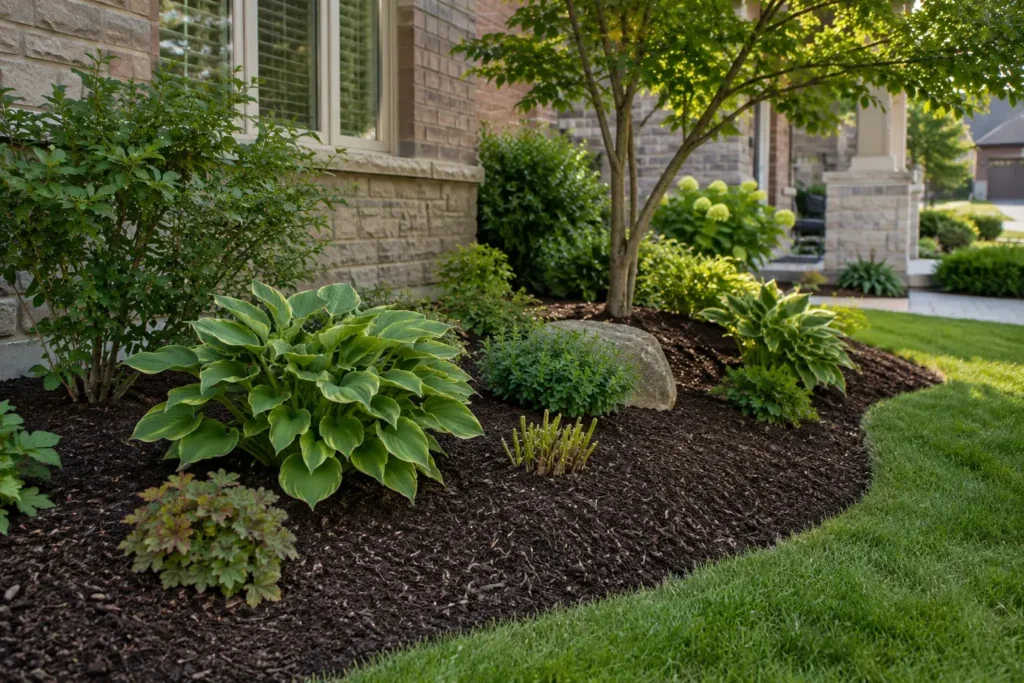
Over time, review plant size against available space. Mulch replenishment, watering adjustments, pest or disease concerns and winter damage should be noted before they become major replacements. Some plants will need division, rejuvenation or relocation; those are separate decisions from a routine trim. A property-care plan can coordinate garden work with lawn mowing, spring and fall cleanup, irrigation checks and snow-season preparation without pretending all tasks happen on every visit. The owner should know what is included, when it happens and what would trigger a larger garden renovation.
Decisions that shape garden & hedge maintenance
Plant-specific pruning
Match timing and method to the plant and goal; one uniform shearing schedule is rarely right for a mixed bed.
Hedge size
Maintain usable paths, windows and fence access. A hedge planted too close to a boundary may need redesign over time.
Weeds and bed edges
Address recurring weeds and maintain a clear transition to lawn or pavers without disturbing desired roots.
Mulch condition
Renew as needed and keep material appropriately away from trunks and stems; avoid building layers indefinitely.
Seasonal work
Clarify spring cleanup, growing-season trimming and autumn leaf or debris handling as separate activities.
Plant condition
Watch for drought, saturation, salt exposure and crowding; maintenance can reveal problems that require a broader site solution.
Compare garden & hedge maintenance proposals
A maintenance proposal should distinguish routine visits from one-off restoration. An overgrown hedge may need staged corrective work before it can be kept to a manageable rhythm. A neglected bed may first require weed removal and plant assessment, then regular care. Specify how debris is handled, whether mulch is supplied, and which plants require specialized work beyond the routine scope. This helps the owner compare a modest ongoing service with a more substantial garden renovation.
The appearance goal should be stated in plain terms. A tightly clipped front hedge, natural flowering border and woodland edge should not all receive the same tool or schedule. Privacy planting may need selective pruning to stay dense at the right level while preserving lower foliage. Overcutting to gain access for one visit can weaken the long-term screen.
Maintenance also protects built features. Keep stems from growing into a fence, roots from displacing loose edging, and mulch from blocking low drains. Where a plant is failing from standing water, share the site condition before repeatedly replacing it. The same observation can guide a later redesign that fits soil and light better.
Photographs taken at consistent points over the year can clarify how a hedge grows into a path, whether a bed has persistent bare areas and which plants suffered winter damage. This record helps make the next pruning or replacement decision on observed conditions rather than habit. It also makes seasonal scopes easier to discuss and price.
A routine should remain flexible enough to respond to seasonal plant growth without treating every visit as identical.
Questions about garden & hedge maintenance
How often should a hedge be trimmed?
It varies by species, growth, desired form and season. The aim is healthy, manageable growth rather than an automatic identical schedule for every hedge.
Is mulch included in garden maintenance?
It can be included as a defined task, but material quantity, bed preparation and timing should be stated in the scope.
Can pruning rescue a shrub that is failing?
Not necessarily. Soil, drainage, light, age and plant health should be assessed before treating cutting as the solution.
Do you maintain gardens without lawn mowing?
The scopes can be discussed separately. Provide the planting inventory and desired tasks so the service can be framed around the property.
Related property work
Garden Design & Planting, Tree, Shrub & Hedge Planting, Mulch & Decorative Stone, Lawn Maintenance, Spring Cleanup.
Discuss your garden & hedge maintenance project
Photograph each bed or hedge and identify which look crowded, weedy or damaged. Explain the desired form, frequency of care and whether mulch or seasonal cleanup is part of the request. A routine can be set after any necessary initial restoration is identified.