
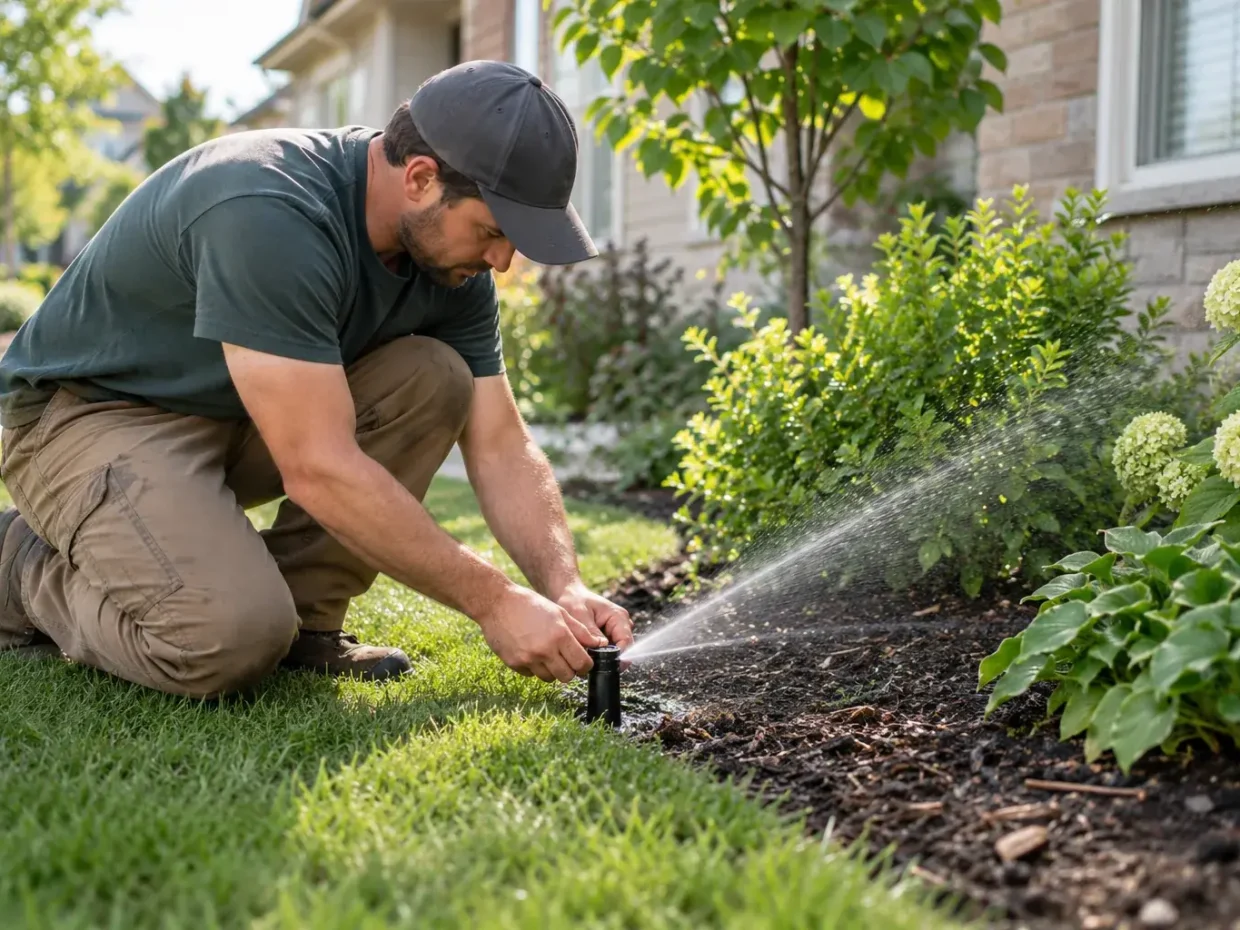
An irrigation system should deliver water where living plants need it, at a rate and time that suit the site. A lawn, a new hedge, an established tree and a sunny container border do not share identical watering needs. An effective Milton irrigation layout divides these areas into sensible zones, selects suitable spray, rotor or drip components, considers water pressure and controls overspray onto walls and pavement. It also leaves the owner able to understand and adjust the program as seasons change. Irrigation helps deliver consistent water; it cannot rescue an unsuitable plant, correct a wet yard's drainage or remove the need to observe soil and plant condition.
Map plants and water demand
Begin with a map of lawn shapes, garden beds, trees, shrubs, patios, driveways, fence lines and the water source. Note full sun, deep shade, slopes, windy corners, sandy or compacted soil and areas that already remain wet. An existing system should be tested zone by zone: look for broken heads, blocked spray, leaks, dry bands, spray hitting windows and controls that no longer match the plant layout. Newer Milton landscapes often change after a patio, fence or garden is added; heads can be buried or misdirected during construction. Record current utility routes and the location of exterior taps, backflow equipment or controls that may be involved. Any plumbing or electrical interface should be addressed by appropriately qualified parties where required.
Separate lawn and garden zones
Group areas with similar water demands and suitable delivery methods. Lawn rotors or spray heads may cover open turf, while drip can target certain planted beds without broadly wetting hardscape. Narrow strips, triangular corners and tree-root zones may need a different approach from a wide open lawn. Sprinklers should not throw water across a sidewalk or repeatedly soak the house siding. A new hedge needs establishment care, while an established shrub bed may need less frequent water. The controller should make zones understandable to the owner, with the ability to adjust for weather and seasonal growth. A simple system that waters the right places is better than a complex plan that is never adjusted.
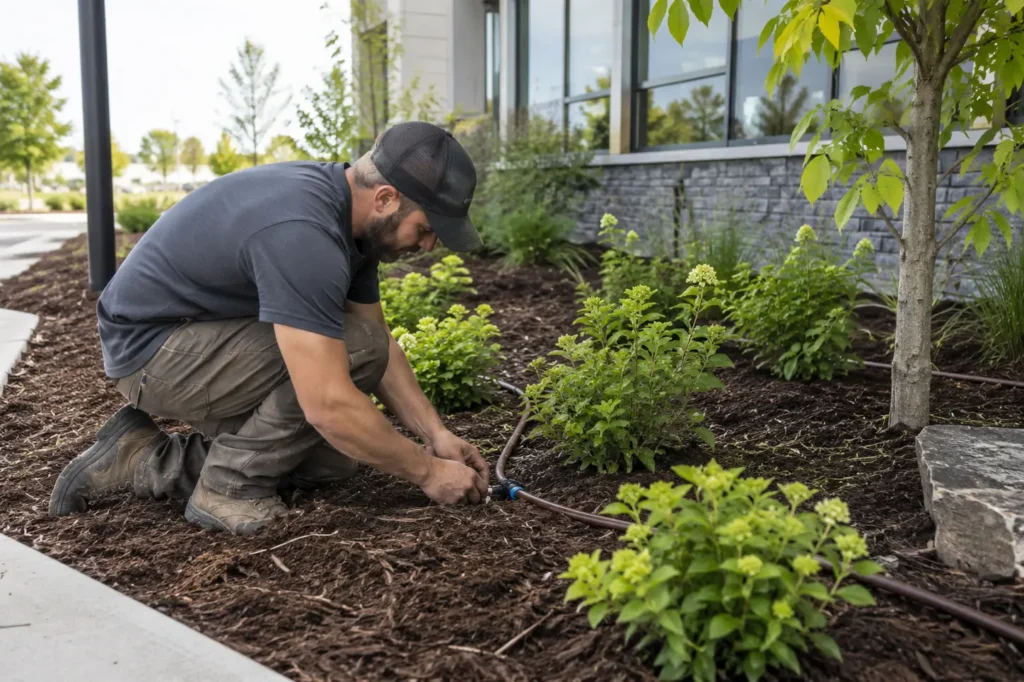
Lay out components around the landscape
Installation and repair involve lines, heads or emitters, valves, wiring or controls and testing under actual operating conditions. Locate utilities before trenching and protect tree roots, paving bases and existing drainage lines. If irrigation must cross a planned patio or driveway, coordinate the sleeve or route before hardscape is installed. Check pressure and coverage rather than assuming all heads will perform as shown on paper. Local requirements for water connection or backflow protection, where applicable, need current property-specific verification. Leaks can saturate soil and create a false drainage problem, so pressure loss, unusually wet strips and running water when the system is off should be investigated. The completed scope should identify zones and how to shut off or service them.
Program and test the system
Planting changes the system over time. Shrubs grow into spray patterns, a tree casts more shade, new sod needs temporary establishment watering and a removed lawn may no longer need its old zone. A controller schedule should be reviewed with the owner rather than left at one setting for the entire year. Rain or soil-moisture sensing may help avoid unnecessary watering where suitable, but equipment still needs inspection. Watch for runoff down a slope, puddles at the low end of a bed or overspray on a walkway. The aim is to support plant health while respecting drainage and daily use of the property.
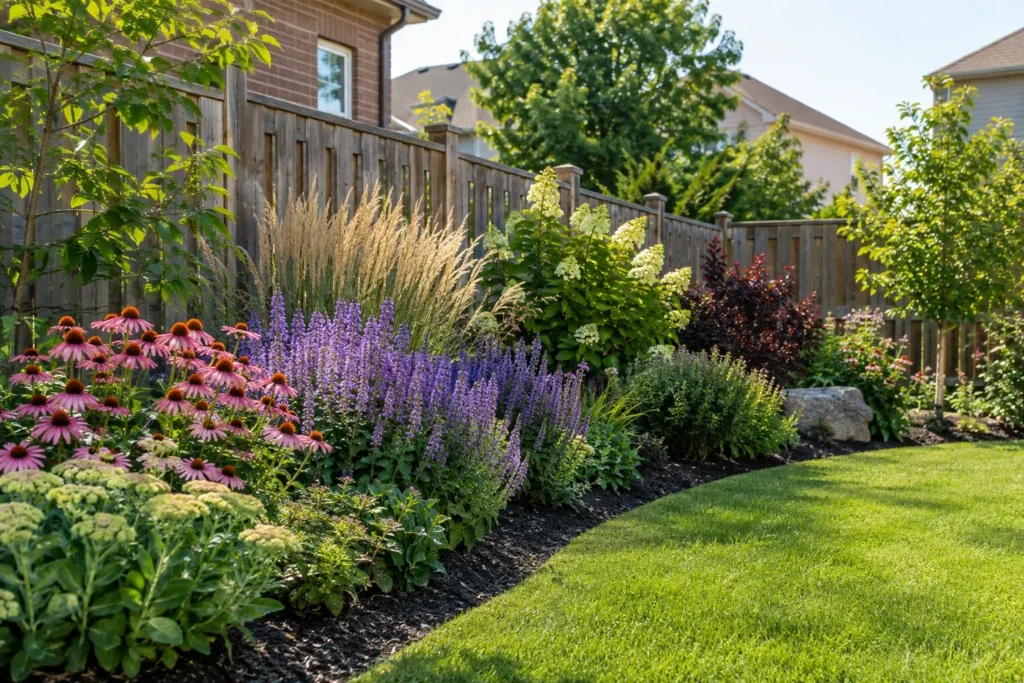
Maintain effective watering
Maintenance includes checking coverage, cleaning or replacing clogged components, adjusting heads, monitoring leaks and revising schedules as seasons and planting change. Where the installation requires seasonal shutdown or winterization, confirm the scope and method for the actual system; this should be handled properly so exposed components are not damaged by freezing. An existing system's age and condition may make targeted repair sensible, or repeated leaks may justify broader renovation. Keep a zone map and information about valves and controls for future garden or hardscape work. Watering is an ongoing landscape decision, not merely a timer installed once.
Decisions that shape irrigation systems
Different plant zones
Separate lawn, beds and establishment areas by water demand rather than applying one broad schedule.
Coverage and overspray
Test heads and drip placement under operating pressure, avoiding hardscape, walls and windows.
Water source and controls
Check connections and current applicable requirements; make shutoff, valves and programming understandable to the owner.
Existing ground and drainage
Do not add water to a saturated area as a substitute for correcting grade or outlet problems.
Future construction
Place crossings or sleeves before patios and drives are finished and preserve access to repair points.
Seasonal care
Plan adjustment, leak checks and appropriate winter preparation where the system and scope require it.
Define the irrigation systems project
The quote should distinguish a full new system from an adjustment to existing coverage. It should show the zones, approximate head or drip locations, controller work, trenching and restoration, testing and owner handover. If an old system is buried beneath future hardscape, decide whether it will be rerouted, protected or abandoned before paving. Avoid promising lower water use without knowing the present pattern and proposed programming. The valuable result is consistent watering of the right areas with a system that can be maintained and changed as the landscape matures.
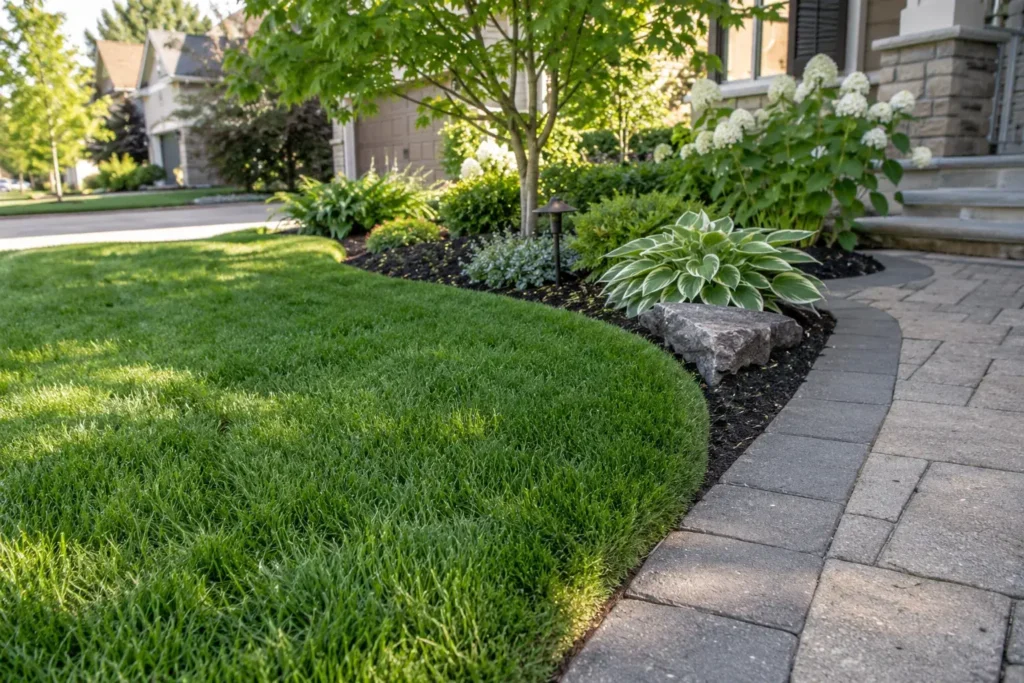
Compare irrigation systems proposals
Watering design should also account for how the owner uses the property. A spray zone that runs over a dining patio just before breakfast is inconvenient even when it reaches the plants. A narrow front walk should not be repeatedly wet during arrival hours, and a dog run may require cleaning water on a different schedule from garden irrigation. Controller settings, head direction and delivery type can reduce those conflicts.
A repair request benefits from a simple zone-by-zone log: which station runs, how long it runs, whether pressure looks different, and where puddles or dry stripes appear. Shut off a suspected leak and assess it promptly rather than compensating by lengthening the schedule. A new system should include a practical walkthrough showing manual operation, seasonal adjustment, shutoff and the location of service components. As planting matures, that handover makes it easier to correct overspray or revise timing instead of wasting water or stressing roots.
Questions about irrigation systems
Should lawn and garden beds use one zone?
Often they have different water requirements and delivery methods. The plan should reflect plant type, exposure and soil rather than one universal schedule.
Can an irrigation system fix a dry patch?
It may correct poor coverage, but a dry patch can also involve compacted soil, shade, root competition or runoff. Diagnose before adding heads.
Why is one area suddenly wet?
A leaking line, stuck valve, misdirected head or separate drainage issue may be involved. Test the system and inspect the water route.
Does the system need winter preparation?
Many systems in this climate require appropriate seasonal care, but the exact method depends on components and installation. Confirm the actual equipment and maintenance scope.
Related property work
Garden Design & Planting, Sod Installation, Tree & Hedge Planting, Landscape Drainage, Low-Maintenance Landscaping.
Discuss your irrigation systems project
Share the landscape layout, current lawn and bed areas, plant types, water source, existing equipment and the places that dry or stay too wet. Explain whether the request is a new layout, an adjustment or a repair. The scope should follow the zones actually needing water.