
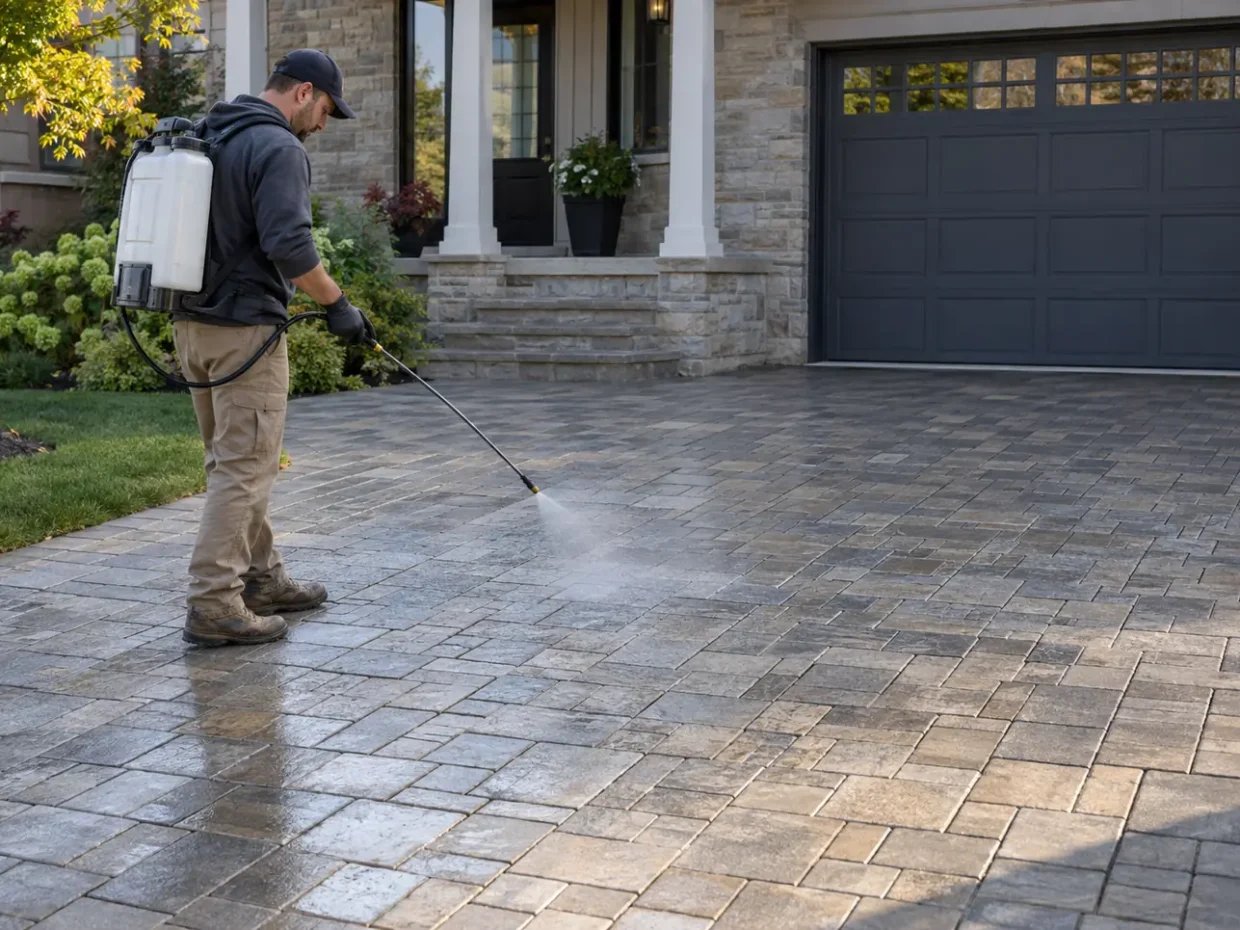
Interlock cleaning and sealing can refresh the appearance of a driveway, patio or walkway, but treatment should match the paver and its condition. A surface may need simple removal of debris and staining, joint-sand attention or correction of drainage and settlement before any finish is considered. Sealing can change colour and sheen, and its suitability varies by material, product and desired maintenance. It cannot eliminate all weeds, stop every stain or strengthen a poor base. A sensible Milton interlock-care plan begins with inspection and practical expectations about the result after a season of use, snow and weather.
Inspect pavers before treatment
Identify the paver type, age, previous coatings and the source of discolouration. Organic deposits under trees, vehicle stains, rust, efflorescence and winter residue do not respond identically. Check whether joints are missing material and whether any pavers have dipped or shifted. Photograph areas that pond after rain because cleaning will not solve the reason they stay wet. Note nearby plants, lawn, doors and drainage outlets that need protection during washing or treatment. Some surfaces may be too new, too damp or otherwise unsuitable for a proposed sealant at the intended time; product guidance and site conditions should inform the schedule.
Choose the intended finish
Define the desired outcome before choosing a product. Some owners want a cleaner natural appearance; others prefer a deeper colour or a particular sheen. Test expectations against a small inconspicuous area where appropriate, recognizing that weathered pavers can vary. A patio with a dining table has different spill concerns from a vehicle driveway. If joint sand has eroded, it may need replenishment or a suitable polymeric product, following the specific material and installation conditions. Weeds growing from accumulated organic matter or movement in joints call for cleaning and joint care, while persistent settlement calls for repair beneath the surface. Edges and drains should remain clear after any work.
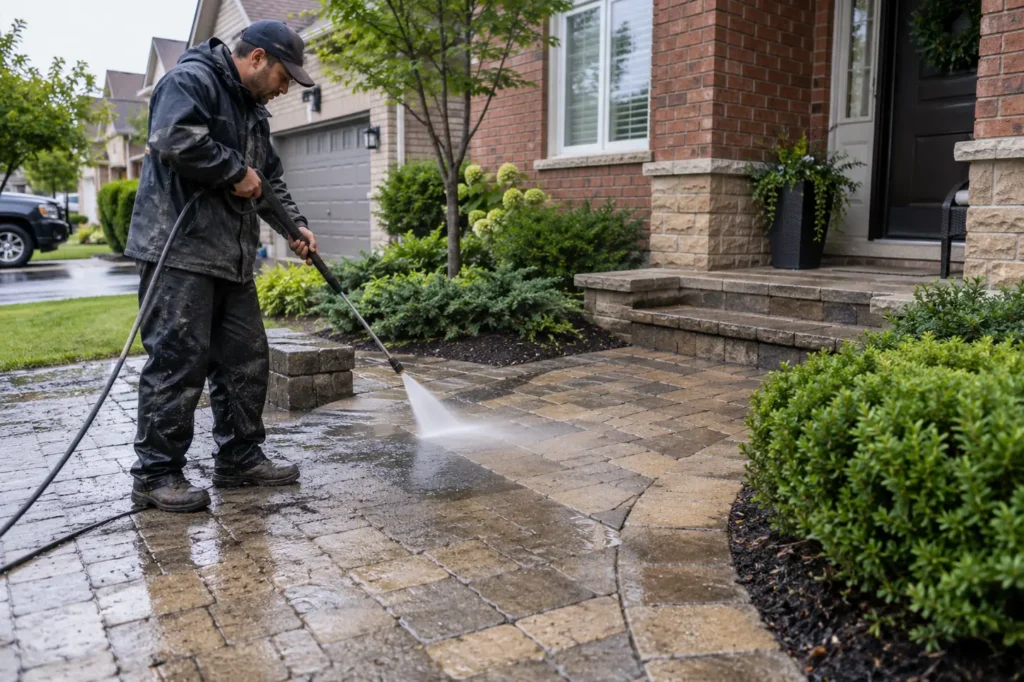
Prepare and apply appropriately
Cleaning pressure and chemicals need to suit the paver and joint condition; aggressive washing can remove joint material or damage a finish. The surface must be properly prepared and sufficiently dry for a compatible sealer where one is used, under the manufacturer's requirements and weather conditions. Overspray or runoff should be kept from sensitive planting and inappropriate discharge points. A previously sealed surface may need a different approach from bare pavers; incompatible layers can produce unwanted appearance or performance. Do not cover active moisture, standing water, failing jointing or unstable pavers with a cosmetic coating. Relevelling and drainage work should precede surface treatment where necessary.
Set honest care expectations
Care choices affect the look and the labour after installation. A natural surface may age with less concern about maintaining a specific sheen, while a sealed surface can require periodic assessment and future reapplication. Joint treatments can reduce some maintenance under suitable conditions but are not a promise that weeds will never appear. A colour-enhancing finish can emphasize variation in the units rather than make them perfectly uniform. Discuss how a snow shovel, de-icing practice, grill or vehicle use will interact with the treated area. Protect garden edges, pool surroundings and exterior walls during work.
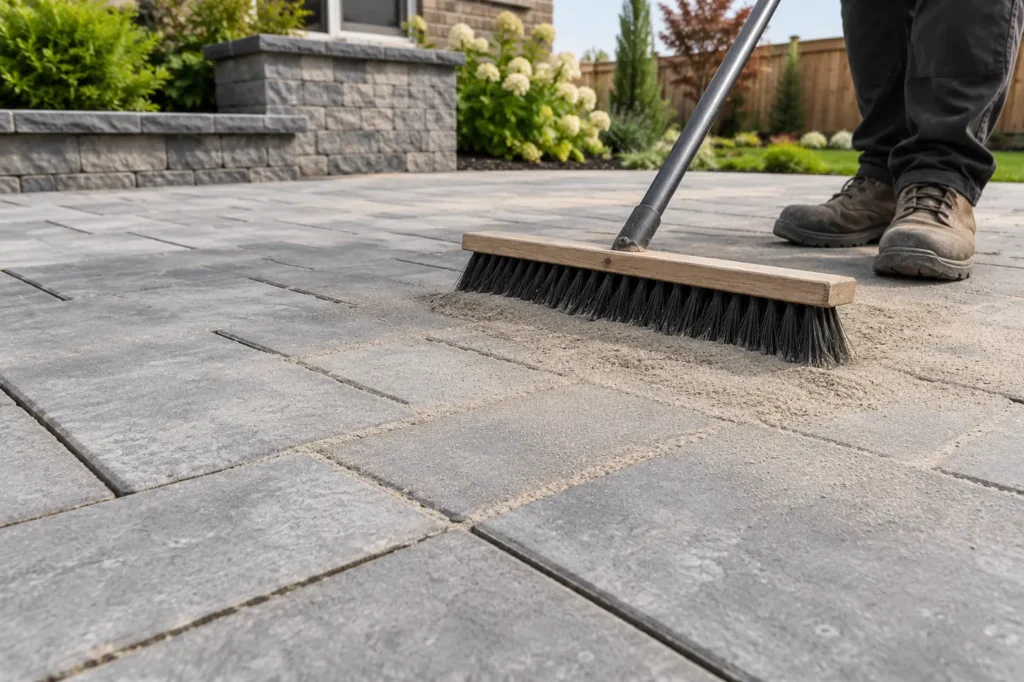
Continue routine maintenance
Regular sweeping and timely stain response remain useful regardless of sealing. Remove fallen leaves before they sit damp for long periods, keep downspouts from concentrating flow across the pavers, and monitor joints and edges. Revisit the surface after the first winter to see whether water, ice or wear reveals another issue. Clean with methods appropriate to the actual material and coating. If pavers settle or an edge spreads, a structural repair is needed even when the coating still looks fresh. The most honest plan describes what the treatment can improve and what routine upkeep remains.
Decisions that shape interlock cleaning & sealing
Diagnosis before coating
Identify stains, efflorescence, lost joints, settlement and water problems separately. A sealer cannot correct defects under the surface.
Material compatibility
Confirm the paver type and any previous treatment. Products vary in suitable substrates, appearance and preparation.
Joint condition
Replenish or repair joint material as appropriate, with attention to movement and product-specific conditions rather than promising weed-free joints.
Weather and moisture
Schedule treatment according to surface dryness, temperature and product guidance; rushing a coating can compromise its result.
Nearby landscape
Protect beds, lawn, walls and drains during cleaning. Evaluate where wash water will go.
Future upkeep
Explain likely cleaning and reassessment needs, including that sheen and colour effects can change over time.
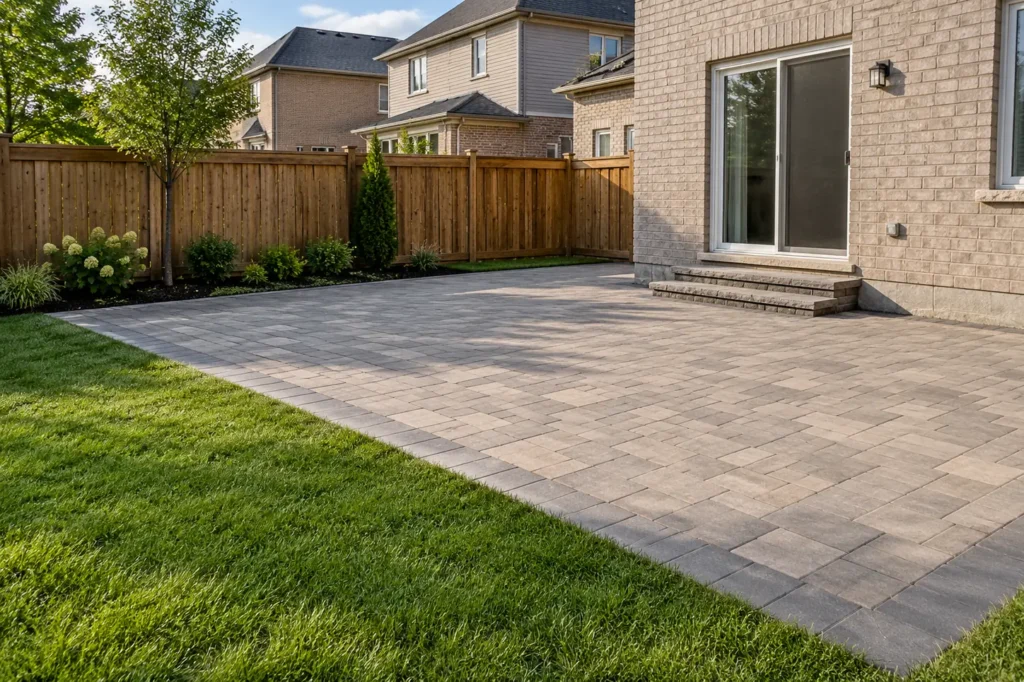
Compare interlock cleaning & sealing proposals
A treatment proposal should describe preparation, cleaning method, protection of plants and walls, joint work, product compatibility, desired finish and conditions needed for application. If the existing coating is unknown, a small test and further inspection may be sensible before treating the whole field. Clarify whether stain removal is likely to be complete or partial. Weathered surfaces often retain some variation; forcing an artificially uniform appearance can demand increasingly aggressive treatment.
Timing is part of quality. A recently repaired area, damp pavers or a forecast that prevents the required drying and curing conditions can make an otherwise reasonable sealer unsuitable at that moment. Product directions control more than a generic calendar schedule. Likewise, polymeric jointing has specific preparation and water-activation needs. A rushed application can leave unwanted haze or unstable joints.
If the surface is already moving, send photographs of the dips and edges with the cleaning request. It may be more economical to repair the cause, reinstate joints and then decide whether a surface finish is still desired. The finished appearance should be evaluated in ordinary daylight and after rain, because colour enhancement and sheen can look different under those conditions.
Be cautious with a heavily shaded area that remains damp. Cleaning can improve surface appearance, but prolonged moisture may quickly return organic growth. Redirect a concentrated downspout and address drainage first if those are the cause. A suitable maintenance interval should be based on how the actual surface behaves, not a blanket promise attached to a product.
A driveway stain that has penetrated the surface may not be removed completely. The treatment should discuss expected improvement and any colour difference before work begins. A small test area can help establish whether the chosen cleaning method and finish are suitable, while protecting joints and adjacent planting from an overly aggressive approach.
Questions about interlock cleaning & sealing
Does sealing stop weeds permanently?
No. It may help with some joint-care goals depending on system and condition, but organic matter, movement and seed can still lead to growth.
Will sealing prevent all stains?
No. A compatible finish may change how some stains are managed, but timely cleaning and appropriate surface care remain necessary.
Can a sunken patio be cleaned and sealed first?
A structural or drainage defect should be assessed and corrected before cosmetic treatment, so the work does not cover a recurring problem.
How often should interlock be resealed?
There is no universal interval. Product, exposure, traffic and appearance goals vary; inspect the surface and follow suitable manufacturer guidance.
Related property work
Interlock Repair, Interlocking, Interlock Patios, Interlock Driveways, Landscape Drainage.
Discuss your interlock cleaning & sealing project
Identify the paver product if known, prior sealing, stains, joint loss, low spots and the finish you hope to achieve. Share close and wide photographs in daylight. An inspection can separate cleaning needs from repairs that should be completed before any coating is considered.